
-
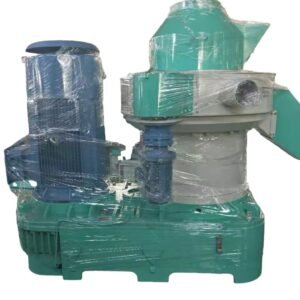
Vertical Pellet Mill Machine: Compact Efficiency for Biomass & Feed Production
Read more -
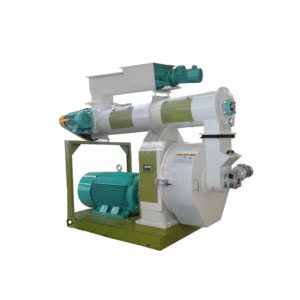
Pellet Mill with Conditioner: Advanced Feed & Biomass Pellet Production System
Read more -
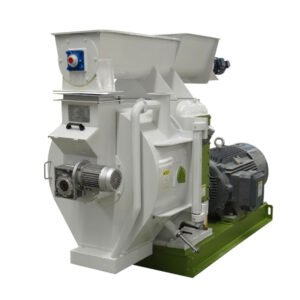
Biomass Pellet Mill: Transforming Raw Biomass into High-Value Energy
Read more -
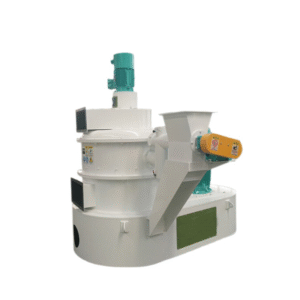
SWFL Series Superfine Grinder Hammer Mill: Precision Ultrafine Particle Technology
Read more -
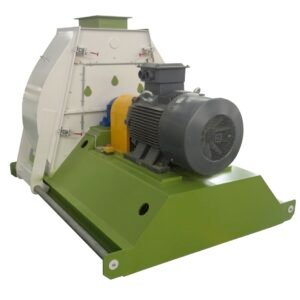
YHM56 Series Hammer Mill: Compact Precision for Specialized Grinding
Read more -
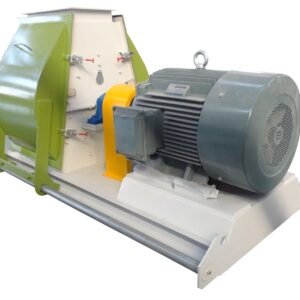
YHM60 Series Hammer Mill: Compact Efficiency for Precision Grinding
Read more -
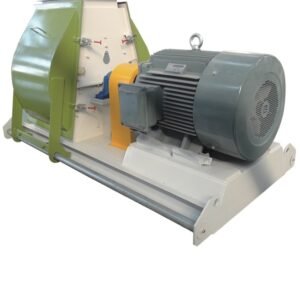
YHM68 Series Hammer Mill: High-Efficiency Grinding for Diverse Applications
Read more -
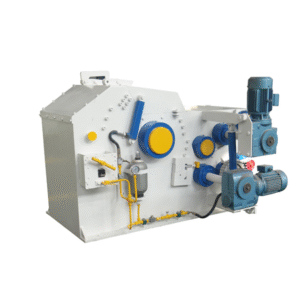
YLBX2110 Wood Chipper: Next-Generation Industrial Wood Processing
Read more

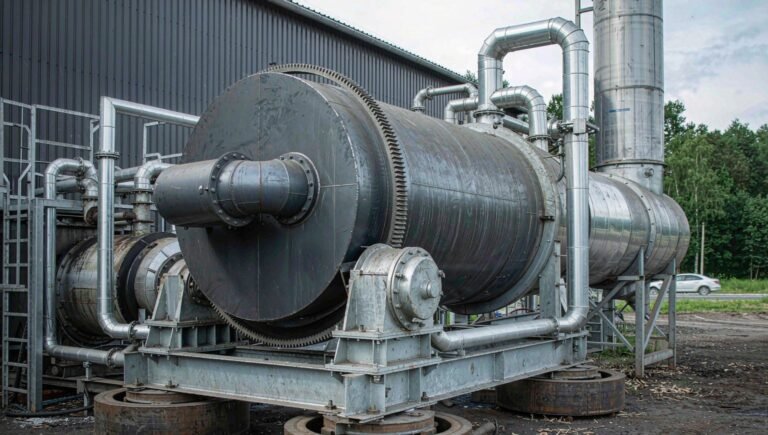
Single-Pass vs Triple-Pass Drum Dryer: Where Each One Fits
Both are direct-fired rotary drums; the internal flow path decides footprint, fuel economy, fire risk and feedstock tolerance. A comparison by what the material does inside the drum, with a worked energy example.
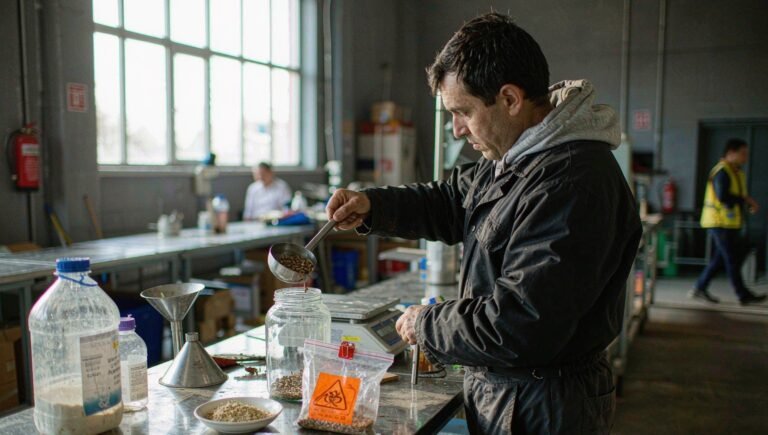
What ISO 17225-2 Wood Pellet Grades Mean for Your Equipment List
ISO 17225-2 defines A1, A2, B and the industrial I-classes with hard limits on ash, durability and fines. Read the grade table the way an equipment buyer should, and map each limit to the machine that delivers it.
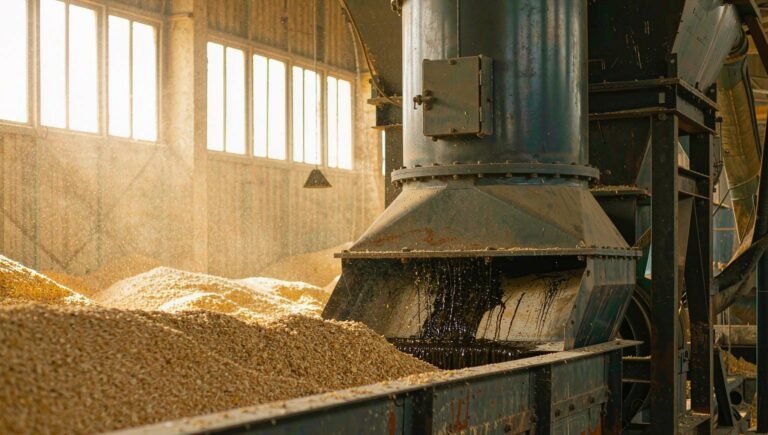
How to Make Wood Pellets from Pine Sawdust: Parameters That Decide Output
Pine sawdust is the easiest pellet feedstock, but only inside narrow windows: moisture at the die, particle size, die compression ratio and cooling. Stage-by-stage parameters and the failure modes we see most.