

Description
Spécifications techniques et configurations de conception
Capacity & Speed Ranges
-
Throughput Capacity: 5 m³/h to 500 m³/h (standard models)
-
Lift Heights: 10 meters to 150 meters (custom designs available)
-
Vitesse de fonctionnement: 0.5 m/s to 2.5 m/s (application optimized)
-
Bucket Sizes: 1 liter to 50 liters capacity (continuous or centrifugal)
Drive & Power Systems
-
Puissance du moteur: 5.5 kW to 250 kW (based on height and capacity)
-
Configurations d'entraînement: Top-mounted reducers with backstop devices
-
Speed Control: Fixed or variable frequency drive options
-
Caractéristiques de sécurité: Torque-limiting couplings, overspeed switches
Construction & Materials
-
Casing Types: Chain-driven (high capacity) or belt-driven (gentle handling)
-
Bucket Materials: Polyethylene, nylon, steel, or stainless steel
-
Chain/Belt Options: Roller chain, forged chain, or steel-reinforced belt
-
Protection Systems: Explosion venting, fire suppression, monitoring ports
Performance Specifications by Configuration
| Elevator Type | Capacité typique | Max Height | Plage de vitesse | Optimal Applications |
|---|---|---|---|---|
| Déchargement centrifuge | 10-200 m³/h | 50m | 1.2-2.0 m/s | Free-flowing granular materials |
| Continuous Discharge | 5-150 m³/h | 100m | 0.5-1.2 m/s | Fragile or abrasive materials |
| Super-Capacity | 50-500 m³/h | 150m | 0.8-1.6 m/s | High-volume bulk handling |
| Positive Discharge | 10-100 m³/h | 30m | 0.3-0.8 m/s | Sticky or cohesive materials |
Key Performance Metrics:
-
Mechanical Efficiency: 85-95% energy transfer efficiency
-
Fill Factor: 75-85% achievable with proper boot design
-
Consommation d'énergie: 0.8-2.5 kWh per vertical ton lifted
-
Niveaux sonores: 75-85 dB without acoustic treatment
Industry-Specific Engineering Solutions
Grain & Agriculture Processing
Bucket elevators form the vertical backbone of grain handling facilities, with capacities up to 300 m³/h and heights exceeding 60 meters. Modern grain elevators feature USDA-accepted materials, quick-clean designs, and explosion protection systems. One major grain terminal documented 99.5% availability over 12 months while handling 2.5 million tons of wheat.
Cement & Mineral Processing
Heavy-duty elevators handle highly abrasive materials with minimal degradation. Features include wear-resistant buckets, hardened chains, and impact-resistant boot sections. A cement plant achieved 8,000 hours of continuous operation between major maintenance intervals through proper material selection and preventive maintenance.
Chemical & Food Processing
Sanitary designs with polished surfaces, quick-disconnect buckets, and washdown-rated components ensure compliance with strict hygiene standards. A food processor reduced cleaning time by 70% while maintaining 99.9% product integrity through gentle handling designs.
Mining & Bulk Terminals
High-capacity elevators move thousands of tons per hour with reliability exceeding 98%. Features include redundant drive systems, online monitoring, and emergency access points. One mining operation moves 800 t/h of copper concentrate vertically 45 meters with 92% mechanical efficiency.
Advanced Features & Monitoring Systems
Systèmes de contrôle intelligents
-
Load Monitoring: Real-time power consumption analysis
-
Speed Optimization: Automatic adjustment based on feed rate
-
Maintenance prédictive: Vibration and thermal monitoring
-
Safety Integration: Interlocked access and emergency stops
Discharge & Loading Optimization
-
Feed Control: Automated boot level management
-
Discharge Geometry: Optimized head section design
-
Material Flow: Advanced chute designs minimizing impact
-
Maîtrise des poussières: Integrated aspiration and filtration systems
Wear Protection & Longevity
-
Bucket Design: Reinforced lips and wear strips
-
Chain Protection: Lubrication-free bushings and coatings
-
Casing Liners: Replaceable wear surfaces in impact zones
-
Corrosion Protection: Specialized coatings for harsh environments
Économie d'exploitation et maintenance
Analyse du coût total de possession
-
Investissement en capital: $15,000-$150,000 based on height and capacity
-
Coûts d'installation: 20-35% of equipment cost for structural support
-
Energy Consumption: $1.50-$8.00 per operating hour
-
Coûts de maintenance : 2 à 4 % de l'investissement initial par an
Optimisation de la maintenance
-
Quotidien: Visual inspection, lubrication check, unusual noise monitoring
-
Hebdomadaire: Belt/chain tension verification, alignment checks
-
Mensuel: Bucket inspection, wear component measurement
-
Annuellement: Révision complète et validation des performances
Durée de vie prévue des composants
-
Buckets: 2-5 years depending on material abrasiveness
-
Chains/Belts: 3-8 years with proper tension maintenance
-
Sprockets/Pulleys: 5-10 years with regular inspection
-
Structural Casing: 15-25 years with proper maintenance
Safety & Environmental Considerations
Systèmes de sécurité
-
Explosion Protection: Vent panels, suppression systems, isolation valves
-
Mechanical Safeguards: Backstops, overspeed devices, torque limiters
-
Access Safety: Interlocked inspection doors, fall protection
-
Emergency Stops: Multiple strategically located stop stations
Environmental Compliance
-
Dust Emissions: <20 mg/m³ with proper filtration
-
Contrôle du bruit: <80 dB with acoustic treatments
-
Energy Efficiency: MEPS compliance for motor systems
-
Material Containment: Zero discharge designs
Future Development & Innovation Trends
Évolution technologique
-
Surveillance intelligente: Wireless sensor networks for real-time health monitoring
-
Matériaux avancés: Composite components reducing weight and wear
-
Energy Recovery: Regenerative drives capturing potential energy
-
Intégration numérique: Cloud-based performance analytics and benchmarking
Design Innovations
-
Modular Construction: Faster installation and component replacement
-
Self-Cleaning Designs: Reduced maintenance requirements
-
Hybrid Drives: Multiple power sources for energy flexibility
-
Adaptive Control: AI-driven optimization of operation parameters
Orientations du marché
-
Priorité à la durabilité: Energy-efficient designs and recyclable materials
-
Global Standardization: Uniform safety and performance standards
-
Personnalisation: Solutions d'ingénierie adaptées à chaque application
-
Lifecycle Optimization: Designs prioritizing total cost of ownership
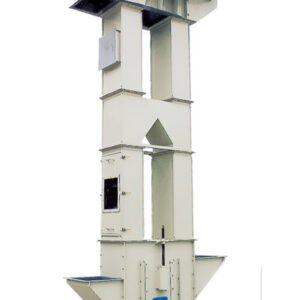
Bucket elevator technology continues to be the vertical workhorse of bulk material handling, providing reliable, efficient elevation across countless industrial applications. Their evolution from simple mechanical lifts to sophisticated, monitored systems reflects the industry’s ongoing pursuit of higher efficiency, greater reliability, and enhanced safety. As manufacturing and processing industries continue to prioritize vertical integration and space optimization, bucket elevators will remain essential infrastructure, continually incorporating new technologies to meet evolving operational demands and sustainability requirements.
Avis
Aucun avis pour le moment.