
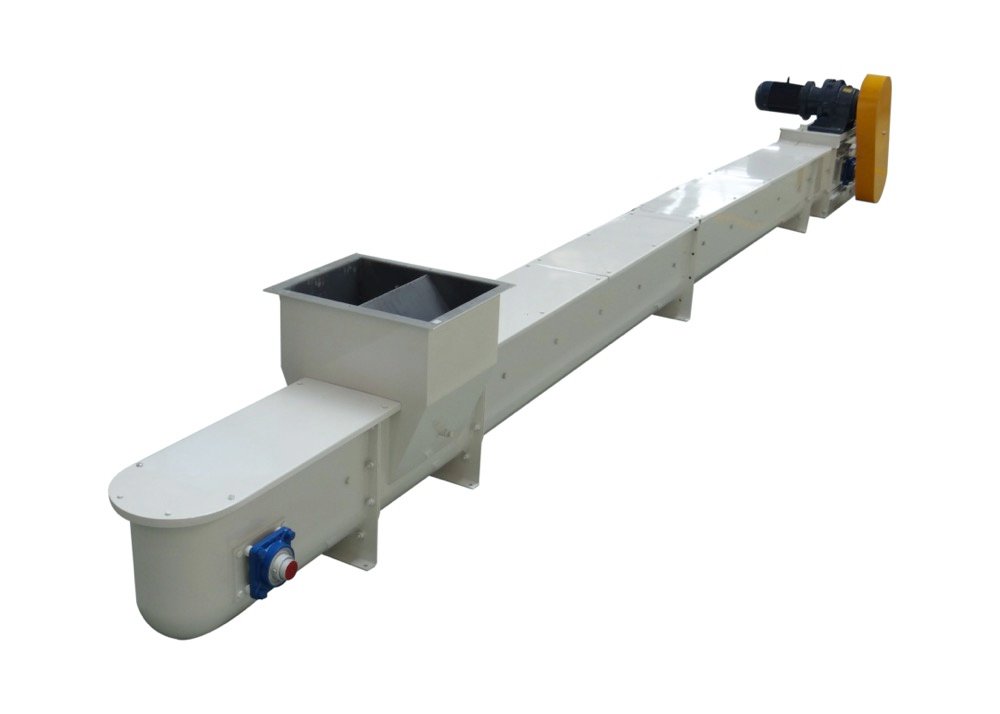
Description
Conveyor Technology Breakdown: Matching Systems to Applications
Different industries and applications require specific conveyor technologies. Understanding these distinctions is crucial for proper system specification and implementation.
Belt Conveyors – The workhorse for general material handling
-
Flat Belt: Ideal for boxes, bags, and uniform items in warehouses and distribution centers
-
Cleated/Incline Belt: Features raised cleats (2-6 inches) for steep inclines up to 30°, perfect for moving loose materials in agriculture and recycling
-
Modular Plastic Belt: Hygienic solution for food processing, packaging, and pharmaceutical applications with frequent washdown requirements
Roller Conveyors – Where gravity meets efficiency
-
Gravity Roller: Cost-effective for temporary lines and manual sorting operations
-
Powered Roller (Line Shaft & Belt-Driven): Gentle handling for cardboard boxes, totes, and packaged goods in logistics and manufacturing
-
Chain-Driven Roller: Heavy-duty capability for pallets, industrial components, and loads exceeding 2,000 lbs
Specialized Systems – Engineered for specific challenges
-
Overhead Conveyors: Maximize floor space in painting facilities, assembly lines, and cleanrooms
-
Pneumatic Conveyors: Enclosed systems for powders, granules, and bulk materials in food and chemical processing
-
Magnetic & Vibratory Conveyors: Precision movement of metal parts and controlled material flow in manufacturing
Technical Specifications & Performance Metrics
Industrial conveyors are specified according to rigorous performance parameters that directly impact operational efficiency.
| Parameter | Light-Duty | Medium-Duty | Heavy-Duty |
|---|---|---|---|
| Max Load Capacity | ≤ 50 lbs/foot | 50-200 lbs/foot | 200-2,000 lbs/foot |
| Speed Range | 10-100 fpm | 20-200 fpm | 10-150 fpm |
| Frame Material | Aluminum, Light Steel | Powder-Coated Steel | Structural Steel, Stainless |
| Motor Power | 0.5-2 HP | 2-10 HP | 10-50+ HP |
| Typical Industries | E-commerce, Packaging | Manufacturing, Distribution | Mining, Bulk Handling, Automotive |
Key Engineering Considerations:
-
Throughput Capacity: Measured in units/hour or tons/hour based on load spacing and belt speed
-
Incline/Decline Capability: Maximum angles from 15° (standard belts) to 45° (specialized cleated systems)
-
Environmental Factors: IP ratings for dust/water resistance, USDA approvals for food contact, ATEX certification for explosive atmospheres
-
Safety Features: Emergency stop systems, guardrails, zero-pressure accumulation, and compliance with OSHA/ANSI B20.1 standards
Industry-Specific Implementation & ROI Analysis
E-commerce & Logistics Fulfillment
Modern distribution centers deploy sophisticated conveyor networks spanning miles in a single facility. A typical Amazon fulfillment center incorporates over 15 miles of conveyor capable of sorting 50,000 packages per hour. The ROI justification includes labor reduction (60-80% fewer material handlers), improved accuracy (99.9%+ sortation accuracy), and throughput increases of 300-500% over manual systems.
Food & Beverage Processing
Hygienic conveyor solutions dominate this sector, with stainless steel construction and washdown-capable components. Sanitary conveyors reduce cleaning time by 40% while preventing contamination. In beverage bottling plants, high-speed conveyors synchronize filling, capping, and labeling at rates exceeding 1,200 bottles per minute.
Automotive & Heavy Manufacturing
Overhead power-and-free systems transport vehicle bodies through painting and assembly processes with precise positioning. These installations represent major capital investments but provide 24/7 operation with minimal human intervention. Automotive plants typically achieve payback within 18-24 months through reduced damage and increased production velocity.
Mining & Bulk Material Handling
Radial stackers and overland conveyor systems transport thousands of tons of material per hour across miles. A single overland conveyor can replace 50+ truck journeys daily, reducing fuel costs by 80% and minimizing environmental impact. These systems feature rugged construction with belt widths up to 96 inches and power requirements exceeding 1,000 HP.
Expert Q&A for System Specifiers
Q1: What’s the realistic lifespan expectation for a well-maintained conveyor system?
A: With proper maintenance, quality conveyor systems deliver 15-25 years of service. Critical components like motors and drives may require replacement after 7-10 years, while structural elements often last the full system lifetime. Regular maintenance (including belt tracking, bearing lubrication, and roller inspection) can extend lifespan by 30-40%.
Q2: How do we calculate the true total cost of ownership for conveyor systems?
A: TCO includes initial equipment cost (30%), installation (15-25%), energy consumption (20%), maintenance (15-20%), and eventual replacement parts (10-15%). Advanced systems with energy-efficient motors and low-maintenance designs can reduce operational costs by 25% despite higher initial investment.
Q3: What are the current lead times for major conveyor components?
A: Standard modular conveyors: 4-8 weeks. Custom-engineered systems: 12-20 weeks. Gear motors and specialized components: 8-16 weeks. The supply chain has stabilized post-pandemic, but strategic components still require advanced planning.
Q4: How significant are energy costs in conveyor operation?
A: Conveyors typically account for 15-30% of a facility’s energy consumption. Modern systems with variable frequency drives (VFDs), high-efficiency motors, and energy-saving modes can reduce power consumption by 25-40%. For a large distribution center, this translates to annual savings of $50,000-$200,000.
Q5: What’s the practical maximum length for a single conveyor run?
A: Belt conveyors can span over 5 miles in bulk handling applications with proper tensioning and intermediate drives. For package handling, individual sections typically max out at 300-400 feet before requiring transfer points. Overhead systems can extend several miles in automotive plants with multiple drive sections.
Reviews
There are no reviews yet.