
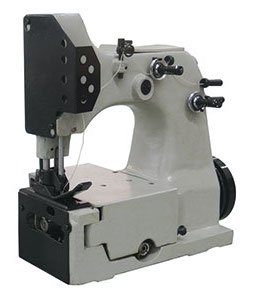
Description
Technical Specifications & Performance Data
Drive Systems & Motor Technology
-
Servo Motors: 400W to 1,100W with programmable needle positioning
-
Clutch Motors: Traditional mechanical drives for heavy-duty applications
-
Speed Range: 1,000 to 8,000 stitches per minute (SPM)
-
Control Systems: Microprocessor programming with LCD displays
Machine Frame & Construction
-
Bed Types: Flatbed, cylinder bed, post bed, off-the-arm configurations
-
Frame Materials: Cast iron or aluminum alloy for vibration damping
-
Weight Capacity: 45kg to 180kg depending on size and application
-
Lubrication Systems: Automatic oiling with filtration and circulation
Stitching Capabilities
-
Stitch Types: Lockstitch (301), Chainstitch (401), Overlock (504, 514)
-
Needle Systems: DBx1, DPx5, DVx1 for specific material requirements
-
Thread Capacity: Large cones up to 5,000 meters with automatic tension control
-
Material Thickness: Capacity from lightweight fabrics to 20mm leather or multiple layers
Application-Specific Configurations
| Industry Application | Machine Type | Speed Range | Special Features | Typical Production Output |
|---|---|---|---|---|
| Apparel Manufacturing | High-speed lockstitch | 4,500-6,000 SPM | Automatic thread trimmer, back tack | 300-600 garments per shift |
| Footwear Production | Heavy-duty compound feed | 2,000-3,500 SPM | Walking foot, extended lift | 80-120 pairs per shift |
| Automotive Interiors | Multi-needle machines | 2,500-4,000 SPM | Programmable patterns, large workspace | 40-80 seat covers per shift |
| Technical Textiles | Specialized feed systems | 1,500-3,000 SPM | High-tensile capability, automated guidance | Project-specific output |
Performance Specifications:
-
Stitch Length: 0.5mm to 6.0mm (adjustable with digital control)
-
Tension Control: Automatic or manual with precision adjustment
-
Noise Levels: 70-82 dB during operation
-
Power Consumption: 0.5-2.5 kWh per 8-hour shift
Advanced Features & Technological Integration
Computerized Control Systems
-
Programmable Stitching: Memory for multiple stitch patterns
-
Auto-tension Control: Dynamic adjustment for different materials
-
Diagnostic Systems: Error codes and maintenance alerts
-
Production Counting: Stitch and piece counting with data output
Automation & Accessories
-
Automatic Thread Trimmers: Programmable trim positions
-
Bobbin Winding: Integrated systems with automatic stop
-
Material Handling: Stackers, pullers, and positioning aids
-
Laser Guides: Projected stitching lines for precision work
Specialized Attachments
-
Zipper Feeders: Automatic zipper insertion and stitching
-
Buttonholers: Programmable buttonhole patterns
-
Pocket Setters: Automated pocket placement and stitching
-
Embroidery Units: Integrated decorative stitching capabilities
Operational Economics & Maintenance
Cost Analysis
-
Equipment Investment: $1,500-$15,000 (depending on features and automation)
-
Installation: $200-$1,000 (electrical and pneumatic connections)
-
Operating Costs: $0.80-$2.50 per operating hour
-
Maintenance: 2-4% of initial investment annually
Efficiency Metrics
-
Labor Productivity: 3-8x output compared to domestic machines
-
Quality Improvement: 60-80% reduction in rejected products
-
Speed Advantage: 200-400% faster than manual operations
-
Material Savings: 5-15% through precise stitching control
Case Study – Sportswear Manufacturer:
After upgrading to industrial sewing systems:
-
Production capacity increased by 45%
-
Stitch consistency improved from 85% to 98%
-
Operator fatigue reduced by 60%
-
Training time for new operators decreased from 6 weeks to 2 weeks
Maintenance & Reliability Engineering
Preventive Maintenance Schedule
-
Daily: Cleaning, lubrication check, visual inspection
-
Weekly: Belt tension verification, needle bar alignment
-
Monthly: Hook system inspection, feed dog adjustment
-
Annually: Complete overhaul and calibration
Component Life Expectancy
-
Motors: 7-10 years with proper maintenance
-
Electronic Controls: 5-8 years service life
-
Mechanical Components: 10-15 years with regular service
-
Structural Frame: 15-20+ years in normal operation
Troubleshooting Common Issues
-
Thread Breakage: Check tension, needle condition, thread quality
-
Skip Stitches: Verify needle size, timing, hook condition
-
Uneven Feeding: Inspect feed dogs, pressure foot, material handling
-
Noise/Vibration: Check lubrication, belt tension, component wear
Industry-Specific Applications
Apparel Manufacturing
Industrial sewing machines enable high-volume garment production with consistent quality. Modern systems can complete a men’s dress shirt in under 10 minutes, with automated operations reducing manual handling by 70%.
Footwear & Leather Goods
Heavy-duty machines handle multiple layers of leather and synthetic materials with precision stitching. Specialized compound feed systems prevent material shifting while maintaining stitch quality.
Automotive & Transportation
From seat covers to airbags, industrial sewing machines create durable, reliable stitches that meet stringent safety standards. Programmable patterns ensure consistency across high-volume production runs.
Technical Textiles
Specialized machines produce everything from parachutes to medical textiles, often incorporating unique feed mechanisms and tension control systems for specific material requirements.
Future Development & Technology Trends
Innovation Directions
-
IoT Connectivity: Real-time production monitoring and data analytics
-
Automated Material Handling: Robotic loading and unloading systems
-
Energy Efficiency: Advanced motor systems reducing power consumption
-
Smart Maintenance: Predictive maintenance through sensor technology
Market Evolution
-
Increased Automation: Reduced operator intervention through smart systems
-
Customization Capability: Quick changeover for small batch production
-
Global Standards: Compliance with international safety and quality requirements
-
Sustainability Focus: Energy-efficient designs and reduced material waste


Reviews
There are no reviews yet.