
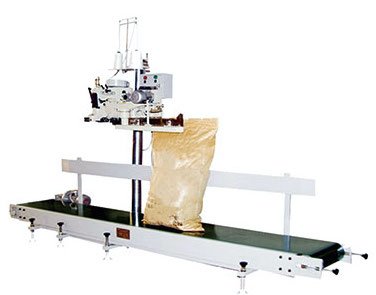
Description
Technical Specifications & System Configurations
Conveyor Structure & Drive Systems
-
Frame Construction: Aluminum extrusion or powder-coated steel with adjustable legs
-
Driving Mechanism: Brushless DC motors with variable speed control (0-20 m/min)
-
Work Surface: Low-friction polyethylene, silicone-coated, or roller bed surfaces
-
Module Dimensions: Standard widths 24-48 inches, lengths 4-12 feet per module
Control Systems & Automation Features
-
Speed Synchronization: Matching conveyor speed to operator sewing rhythm
-
Positioning Control: Programmable stop positions with pneumatic lifting mechanisms
-
Production Monitoring: RFID tracking, piece counting, and efficiency reporting
-
Integration Capabilities: PLC connectivity with ERP and MES systems
Workstation Ergonomics & Accessories
-
Height Adjustment: Electric or pneumatic lift systems (24-36 inch range)
-
Lighting Integration: LED task lighting with adjustable color temperature
-
Material Management: Thread organizers, trim catchers, and accessory mounts
-
Operator Interface: Touchscreen displays with production data and instructions
Industry Applications & Performance Metrics
Apparel Manufacturing Lines
-
T-Shirt Production: 5-7 station lines producing 600-900 units per 8-hour shift
-
Jeans Assembly: Heavy-duty conveyors handling denim with 8-12 operations
-
Specialized Applications: Synchronized conveyor systems for sleeve setting, cuff attachment, and collar operations
-
Quality Impact: Consistent feeding reduces puckering and improves stitch quality
Automotive Interior Production
-
Seat Cover Assembly: Multi-station lines for complex pattern matching
-
Headliner Manufacturing: Overhead conveyor systems for large component handling
-
Material Handling: Capacity for leather, vinyl, and composite materials
-
Precision Requirements: ±1mm positioning accuracy for component alignment
Technical Textiles & Composite Manufacturing
-
Safety Equipment: Harness and protective gear assembly lines
-
Medical Textiles: Cleanroom-compatible systems for surgical drape production
-
Industrial Fabrics: Reinforced conveyor surfaces for heavy material handling
-
Compliance Tracking: Lot traceability through integrated scanning systems
Footwear & Leather Goods
-
Shoe Upper Assembly: Precision conveyors for multi-component stitching
-
Bag Production: Modular systems handling various sizes and materials
-
Quality Focus: Consistent seam alignment and tension control
-
Production Flexibility: Quick changeover between product variants
Performance Data & Operational Specifications
| System Type | Line Speed (m/min) | Stations per Line | Daily Capacity (units) | Quality Improvement |
|---|---|---|---|---|
| Basic Apparel Line | 2-5 | 6-12 | 500-1,200 | 15-25% defect reduction |
| Advanced Modular System | 5-15 | 12-24 | 1,200-3,000 | 25-40% defect reduction |
| Heavy-Duty Industrial | 1-4 | 4-8 | 200-600 | 20-30% consistency improvement |
| Custom Configuration | 0.5-10 | 3-20 | Varies by product | Project-specific results |
Operational Efficiency Metrics:
-
Changeover Time: 15-45 minutes for product style changes
-
Uptime Performance: 94-98% with preventive maintenance
-
Space Utilization: 20-40% better than traditional batch systems
-
Training Time: 1-3 weeks for operator proficiency
Integration & Economic Justification
Production Line Design Considerations
-
Workflow Analysis: Process mapping to determine station sequence and timing
-
Buffer Zones: Strategic placement for work-in-process inventory
-
Quality Checkpoints: Integrated inspection stations with rejection mechanisms
-
Material Feeding: Automated roll stands and component dispensers
Total Cost of Ownership Analysis
-
Equipment Investment: $15,000-$80,000 based on line complexity and automation
-
Installation & Commissioning: $3,000-$15,000 for setup and integration
-
Operating Costs: Energy consumption 2-8 kWh per 8-hour shift
-
Maintenance Requirements: Daily cleaning, monthly mechanical inspection, annual overhaul
ROI Calculation Factors
-
Labor Productivity: 3-5 operators replaced per automated line
-
Throughput Increase: 25-60% more units per square foot of factory space
-
Quality Savings: 15-30% reduction in rework and material waste
-
Training Reduction: 40-70% faster operator onboarding
Implementation Strategy & Best Practices
Phased Implementation Approach
-
Phase 1: Single pilot line with 4-6 stations
-
Phase 2: Expansion to multiple lines with process optimization
-
Phase 3: Full integration with cutting and finishing departments
-
Phase 4: Data system implementation for real-time monitoring
Performance Validation Methods
-
Time Studies: Before/after analysis of direct labor content
-
Quality Audits: First-pass yield measurements and defect tracking
-
Operator Feedback: Ergonomic assessment and workflow satisfaction
-
Financial Analysis: Payback period and return on investment calculation
Expert Q&A for Production Managers
Q1: What is the typical payback period for sewing conveyor systems?
A: Most installations achieve payback in 8-18 months through labor reduction (typically 3-5 operators per line), quality improvement (15-30% defect reduction), and throughput increase (25-40% capacity improvement). The exact timeline depends on production volume, labor costs, and product complexity.
Q2: How difficult is it to reconfigure conveyor systems for product changes?
A: Modern modular systems allow significant flexibility. Basic style changes require 15-30 minutes for adjustments, while major reconfiguration typically takes 2-4 hours. The key is standardized interfaces and quick-disconnect components that minimize downtime during product transitions.
Q3: What training is required for operators transitioning to conveyor work?
A: Most operators adapt within 1-3 weeks. Training focuses on rhythm synchronization (matching personal pace to conveyor speed), new material handling techniques, and quality inspection procedures. The learning curve is typically 40-60% faster than traditional systems due to reduced material handling complexity.
Q4: How do sewing conveyors integrate with existing production equipment?
A: Integration occurs at multiple levels: mechanical interfaces with existing tables, electrical connections for power distribution, and data integration with production monitoring systems. Most manufacturers provide custom engineering for seamless integration with specific sewing machine models and factory layouts.
Q5: What maintenance requirements should we anticipate?
A: Daily cleaning (15-20 minutes), weekly inspection of drive mechanisms and safety systems, monthly lubrication and belt tension checks, and annual comprehensive overhaul. Maintenance costs typically run 2-4% of the initial investment annually, significantly lower than the labor savings achieved.


Reviews
There are no reviews yet.