
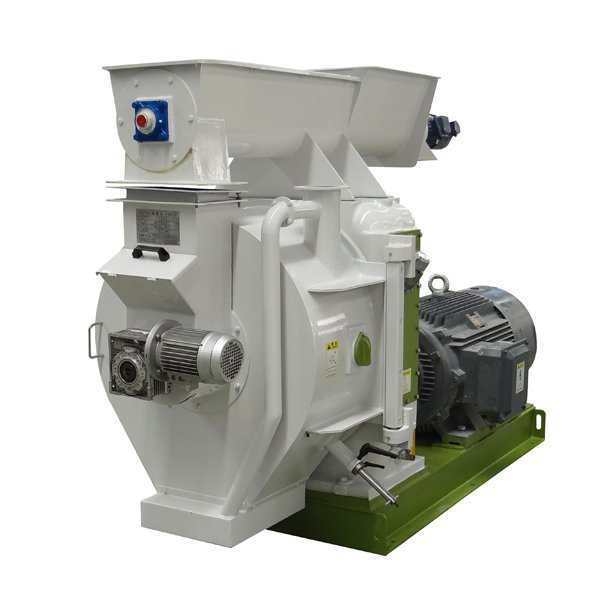
Описание
Technical Specifications & Design Variations
Drive & Power Systems
-
Main Motor Power: 90-630 kW (120-850 HP) for industrial models
-
Feeder Motors: 1.5-7.5 kW variable speed drives
-
Conditioner Motors: 11-45 kW with steam/liquid injection capability
-
Системы управления: PLC-based with touchscreen interface
Pellet Mill Configurations
-
Диаметр матрицы: 420-1200mm (standard industrial sizes)
-
Die L/D Ratio: 1:6 to 1:12 (biomass-optimized profiles)
-
Конфигурация роликов: 2-3 rollers with heavy-duty bearings
-
Die Speed: 120-300 RPM (material-dependent optimization)
Capacity & Performance Ranges
-
Производительность: 1-15 t/h (depending on material and die specification)
-
Плотность гранул: 600-750 kg/m³ (achievable with proper conditioning)
-
Энергопотребление: 25-50 kWh/ton (complete system including auxiliaries)
-
Прочность гранул: >95% PDI (Pellet Durability Index)
Feedstock-Specific Performance Data
| Biomass Type | Optimal Moisture Content | Typical Production Rate | Удельное энергопотребление | Pellet Quality (PDI) |
|---|---|---|---|---|
| Wood Residues | 12-15% | 3-8 t/h | 28-38 kWh/t | 96-98.5% |
| Agricultural Straw | 14-18% | 2-5 t/h | 35-50 kWh/t | 92-96% |
| Energy Crops | 15-20% | 2.5-6 t/h | 32-45 kWh/t | 94-97% |
| Mixed Biomass | 13-16% | 2-4 t/h | 38-55 kWh/t | 90-95% |
Key Quality Parameters:
-
Moisture Content: 8-10% (final pellet moisture)
-
Ash Content: <6% (premium grade), <10% (industrial grade)
-
Length Distribution: 95% between 10-40mm
-
Образование пыли: <3% at production point
Advanced Conditioning & Process Control
Pre-conditioning Technology
-
Steam Conditioning: 3-6% steam addition at 1-4 bar pressure
-
Добавление жидкостей: 1-4% binders or additives with precision metering
-
Время выдержки: 90-240 seconds (adjustable based on recipe)
-
Контроль температуры: 75-95°C optimal conditioning temperature
Intelligent Process Automation
-
Amperage Control: Automatic feeder adjustment based on main motor load
-
Temperature Monitoring: Multiple zone temperature measurement and control
-
Recipe Management: Storage for 50+ biomass formulations
-
Удалённый доступ: Network connectivity for performance monitoring and troubleshooting
Wear Management Systems
-
Die-Roller Gap Control: Automatic adjustment for optimal compression
-
Wear Monitoring: Vibration analysis and component life tracking
-
Прогнозное обслуживание: AI-driven component failure prediction
-
Быстросменные системы: Hydraulic die and roller replacement
Industry Applications & Operational Benefits
Dedicated Pellet Production Facilities
Large-scale pellet mills form the heart of industrial pellet plants, producing standardized pellets for domestic heating and power generation markets. One Scandinavian pellet plant documented production of 150,000 tons annually with 98.5% availability, achieving consistent ENplus A1 quality certification through precise process control and conditioning optimization.
Integrated Wood Processing Operations
Sawmills and wood product manufacturers utilize pellet mills to convert residues into valuable energy products. A major sawmill operation achieved 95% utilization of wood residues while generating additional revenue streams and reducing waste disposal costs by 80%.
Agricultural Biomass Utilization
Farm-based pellet operations convert agricultural wastes into fuel for local heating and power applications. A midwestern agricultural cooperative documented 40% reduction in heating costs for member farms while creating new income from straw and crop residue pelletization.
Specialty Pellet Production
Specialized mills produce pellets for emerging applications including animal bedding, absorbents, and chemical carriers. A specialty manufacturer developed customized pellets with specific absorption characteristics, capturing premium pricing in industrial markets.
Экономика эксплуатации и обслуживание
Анализ совокупной стоимости владения
-
Инвестиции в оборудование: $150,000-$600,000 (capacity and automation dependent)
-
Монтаж и пусконаладка: 20-30% of equipment cost
-
Energy Consumption: $15-$35 per ton of pellets produced
-
Wear Components: $8-$20 per ton for dies, rollers, and other consumables
Efficiency & Productivity Metrics
-
Overall Equipment Effectiveness: 85-92% in optimized operations
-
Pellet Mill Efficiency: 90-96% of theoretical maximum capacity
-
Labor Productivity: 50-200 tons per operator shift
-
Raw Material Utilization: 95-99% conversion efficiency
Оптимизация обслуживания
-
Планово-предупредительное обслуживание: Плановые осмотры и замена компонентов
-
Condition Monitoring: Vibration, thermal, and performance analysis
-
Стратегия запасных частей: Critical inventory optimization based on usage patterns
-
Component Life Tracking: Digital records for predictive replacement
Environmental & Sustainability Impact
Carbon Reduction Contributions
-
Fossil Fuel Displacement: 1 ton pellets replaces ~500 liters heating oil
-
Carbon Neutrality: Sustainable biomass cycling with minimal net CO2
-
Waste Utilization: Conversion of residues and wastes to energy
-
Local Energy Security: Reduced dependence on imported fossil fuels
Emission Performance
-
Combustion Characteristics: Low ash, consistent composition
-
Transport Efficiency: High bulk density reduces transportation emissions
-
Storage Stability: Low biological activity during storage
-
Handling Safety: Reduced dust explosion risks compared to raw biomass
Certification & Standards Compliance
-
Quality Standards: ENplus, ISO 17225, PFI certifications
-
Sustainability Certification: FSC, PEFC, SBP sustainable sourcing
-
Emissions Compliance: Meets strict air quality standards
-
Safety Standards: Comprehensive workplace and machine safety
Future Technology Development
Направления инноваций
-
Advanced Die Materials: Enhanced wear-resistant alloys and coatings
-
Интеграция процессов: Combined drying-pelletizing systems
-
Цифровые двойники: Virtual simulation for optimization and training
-
Alternative Binders: Natural binders reducing additive requirements
Эволюция рынка
-
Torrefaction Integration: Combined torrefaction and pelletization
-
Mobile Systems: Containerized pellet production units
-
Carbon Capture: Integration with carbon capture and utilization
-
Circular Economy: Enhanced integration with waste management systems
The biomass pellet mill continues to be the cornerstone technology enabling the utilization of biomass resources for renewable energy and sustainable materials. Its evolution from simple compression devices to sophisticated processing systems reflects the growing importance of biomass in global energy and materials strategies. As the world continues to transition toward circular economies and renewable resources, biomass pellet mills will play an increasingly vital role in converting diverse biomass streams into standardized, transportable, and efficient energy carriers while providing economic opportunities across agricultural and forest sectors.
Отзывы
Отзывов пока нет.